Find Out How Often to Detail Your Car
Answer a few quick questions. We’ll recommend how often to detail your car and what actually makes sense.
Save 10% on your first Mobile Car Detailing!
Answer a few quick questions. We’ll recommend how often to detail your car and what actually makes sense.
This tool is here to answer a question most people guess their way through: how often should I detail my car?
Instead of just throwing out a random number, it looks at how you use your car; how often you’re in it, how messy it gets, whether you’ve got kids, pets, or just high standards. It even considers your weather and interior type. The goal is simple, giving you a realistic recommendation that fits your life, not some dealership rulebook.
So whether you’re dealing with snack explosions in the back seat or just like that just‑cleaned feel, you’ll get a plan that actually makes sense.
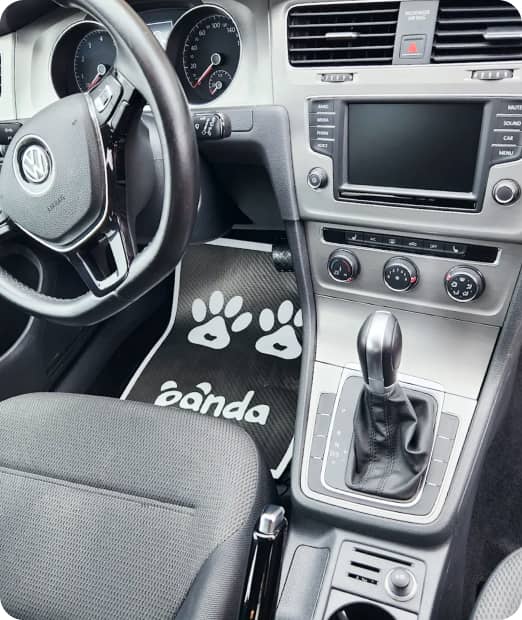
Most cars need a full professional detail every 4 to 6 months, or 2 to 3 times per year. Daily drivers, cars with kids or pets, and vehicles parked outside do best with a detail every 3 months, while garage-kept cars driven occasionally can go 6 to 12 months between services.
Car detailing is a comprehensive cleaning and restoration process that removes deep-seated dirt, contaminants, and grime from both the interior and exterior of your car. Unlike a basic car wash, car detailing services restore and protect surfaces rather than just rinsing them.
The right frequency for your car depends on four things: how often you drive, where you drive, how you use the interior, and where the car is parked. A downtown commuter with two dogs needs a very different schedule than a weekend driver with a garage.
Here is how those factors translate into a realistic detailing schedule, based on the same scoring model used in our calculator above.
The frequency of detailing a car depends on different factors like season and driving condition. However, here’s a general recommendation for car detailing frequency
Urban Driving:
Exposure to pollutants, dust, and bird droppings requires frequent detailing than usual.
Coastal Regions:
Salt-laden air accelerates rust, making regular waxing essential.
Off-Road & Rural Areas:
Mud, gravel, and road debris increase wear on the exterior, demanding frequent deep cleaning.
Winter:
Road salt leads to rust and corrosion, detailing before and after winter is crucial.
Summer:
UV exposure fades paint, waxing or ceramic coating helps protect your car.
Daily Commuters vs. Occasional Drivers:
Frequent drivers need more detailing to counteract road contaminants and wear.
Garage-Stored vs. Outdoor-Parked Cars:
Cars that are usually parked outside need frequent protective treatments due to exposure to the harsh elements like UV rays, rain, tree sap, bird droppings, and so on.
Your personal preference and how much you care about your car’s appearance also influence how often you detail it. If you are one of those who like to have a pristine car always, you can detail your car every 3 months.
If you don’t mind a bit of dirt, full detailing 1 or 2 times a year may be sufficient.

Protects against UV rays, oxidation, and contaminants
Removes dirt, allergens, and stains from car upholstery and carpets
A well-maintained car retains its market value better
Keeps the cabin fresh and clean for an enjoyable experience.
Maintaining a consistent detailing routine might sound hard, but you definitely won’t regret it as it will help to keep your car in the best condition while preserving its value.
If you are confused on where to start, here’s a routine that you can follow:
Weekly:
Perform a basic wash using the two-bucket method to remove surface dirt and prevent scratches. Vacuum the carpets and seats to keep the interior clean and fresh.
Monthly:
Conduct a deep interior clean, including dashboard conditioning, upholstery treatment, and stain removal. Apply a UV protectant to prevent fading of plastic surfaces.
Every 3-4 Months:
Wax or apply a paint sealant to maintain the car’s protective layer against contaminants like bird droppings, road tar, and UV exposure. Perform a full exterior detailing, including clay bar treatment and polishing.
Annually:
Schedule a full paint correction and engine bay cleaning to restore the car’s finish and ensure longevity. This also helps to remove oxidation, swirl marks, and debris buildup under the hood.