Car Horsepower Calculator
Panda Hub's horsepower calculator tool helps you find the horsepower of your car and specifications such as torque, top speed, quarter-mile times, and more.



Save 10% on your first Mobile Car Detailing!
Panda Hub's horsepower calculator tool helps you find the horsepower of your car and specifications such as torque, top speed, quarter-mile times, and more.
Enter your car information to calculate the hp, torque, 0-60 mph, and top speed.
Understanding the power output of your vehicle's engine is crucial for both enthusiasts and professionals in the automotive industry. Horsepower, a term coined in the 18th century by engineer James Watt, remains the universal measure of engine power.
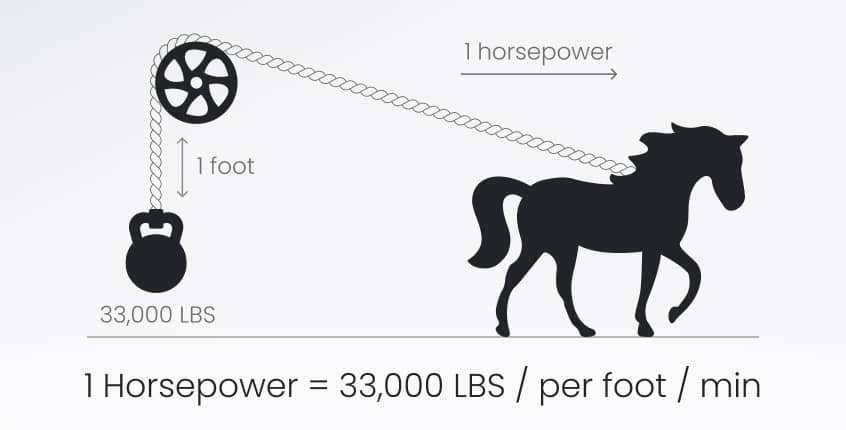
Horsepower symbolizes the engine's ability to perform work over time. James Watt, while observing ponies pulling coal in a mine, defined one horsepower as the amount of energy required to lift 33,000 pounds one foot in one minute. This arbitrary measure has since become a cornerstone in evaluating the power of engines, from cars to lawn mowers.
Calculating horsepower can be approached in several ways, each providing insights into the engine's capability.
This method estimates horsepower based on how quickly a vehicle completes a quarter-mile run. It considers the vehicle's weight, including passengers and cargo, to calculate the engine's output.
The forumla is
Horsepower = (Weight / (ET/5.825)^3)
Alternatively, the trap-speed method calculates horsepower by analyzing the vehicle's speed at the end of a quarter-mile run, emphasizing the vehicle's ability to maintain high speeds over distance.
The forumla is
Horsepower = Weight × (Speed)^3 / 234
Safety cannot be overstated when measuring horsepower. It's imperative to conduct tests in controlled environments, like drag strips or private roads, to avoid legal and safety risks. Ensuring the vehicle is in top condition minimizes the risk of accidents during high-performance tests.
While horsepower measures work over time, torque represents the immediate twisting force the engine generates. High torque allows for rapid acceleration and powerful towing capabilities. Conversely, high horsepower indicates the engine's overall power and speed potential. Understanding both metrics is essential for assessing a vehicle's performance.
The power-to-weight ratio is a critical determinant of a vehicle's performance. High-performance cars often boast a high horsepower relative to their weight, enabling faster acceleration and higher speeds. This ratio illustrates why sports cars outperform heavier vehicles with similar or even greater horsepower.
Enhancing your vehicle's horsepower involves various modifications, from simple air intake upgrades to comprehensive engine overhauls. Regular maintenance, such as ensuring clean air filters and using quality fuel, can also improve performance. For those seeking significant boosts, professional tuning and aftermarket parts offer substantial gains.
Horsepower is more than just a number; it's a testament to an engine's capability and a vehicle's potential.
Whether you're tuning a race car or simply curious about your family sedan's performance, understanding how to calculate and optimize horsepower can enhance your automotive experience.
Use our horsepower calculator to gauge your engine's power and explore ways to unlock its full potential.
The highest horsepower car is the Lotus Evija, an electric hypercar, boasting an output of approximately 2,000 horsepower. However, the automotive industry is rapidly evolving, with manufacturers constantly pushing the boundaries of performance and electric vehicle technology. Other contenders for high horsepower vehicles include the Rimac Nevera, also an electric hypercar, with around 1,914 horsepower, and the SSC Tuatara, a combustion engine hypercar, claiming around 1,750 horsepower on E85 fuel.
It's worth noting that new models and advancements in automotive technology could lead to other vehicles surpassing these figures.
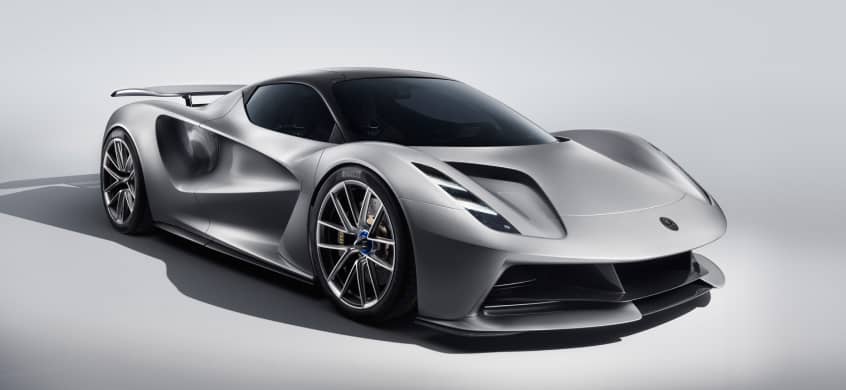
Photo source: Lotus Official
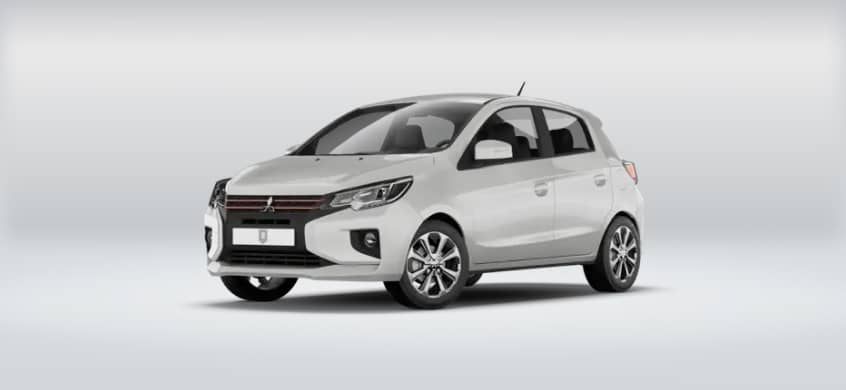
Least horsepower available on the market is the Mitsubishi Mirage. The Mirage, known for its fuel efficiency and affordability, is equipped with a 1.2-liter three-cylinder engine that produces just 78 horsepower. This makes it one of the least powerful cars in terms of engine output available for sale in many markets, including the United States.
It's important to note that the automotive market is diverse, with numerous models tailored to different needs and preferences. Cars with lower horsepower are often designed with efficiency, cost, and urban practicality in mind, rather than high performance or speed.
For the absolute lowest horsepower cars, one might also consider vintage or classic cars, some of which had engines producing as little as 20 to 30 horsepower. However, among modern vehicles designed for everyday use, the Mitsubishi Mirage stands out for its minimal horsepower while still meeting the needs of many drivers looking for an economical and practical vehicle.
Engine horsepower (often referred to as brake horsepower or bhp) and wheel horsepower (whp) are two critical metrics used to measure a vehicle's power output, but they represent power at different points in the vehicle's drive system. Engine horsepower is measured at the engine's crankshaft, before power is distributed through the drivetrain (including the gearbox, differential, and axles). This measurement does not account for the power lost due to friction and other inefficiencies within the drivetrain components.
Wheel horsepower, on the other hand, is measured at the drive wheels, reflecting the actual power available to propel the vehicle forward. Because it accounts for drivetrain losses, wheel horsepower is typically lower than engine horsepower. The difference between these two measurements gives insight into the efficiency of a vehicle's drivetrain; a high discrepancy indicates significant power loss through the drivetrain, while a smaller gap suggests a more efficient transfer of power from the engine to the wheels.
Let's consider a hypothetical high-performance sports car to illustrate the difference between engine horsepower and wheel horsepower:-
Engine Horsepower (bhp): Suppose the sports car's engine is rated at 500 horsepower. This figure is measured directly at the engine's crankshaft, representing the engine's maximum output without accounting for any losses through the drivetrain.
Wheel Horsepower (whp): After measuring the power at the wheels using a chassis dynamometer (often referred to as a "dyno"), the same sports car might show a wheel horsepower of approximately 450 horsepower. This number is lower because it reflects the actual power available to propel the car forward after accounting for losses in the transmission, differential, and other drivetrain components.
In this example, the car loses about 50 horsepower (or 10% of its engine horsepower) due to the inefficiencies and mechanical losses in the drivetrain. This is a simplified example, and the actual difference can vary based on the efficiency of the vehicle's drivetrain, the type of transmission (automatic transmissions typically have higher losses than manual transmissions), and other factors.